

In a world where climate change is becoming an increasingly urgent issue, making the transition to a zero carbon lifestyle is more important than ever. One key way to achieve this is by creating a zero carbon home, where energy consumption and carbon emissions are kept to a minimum.
To make a zero-carbon home, you can use high-performance insulation and energy-efficient appliances, and install renewable energy systems. Reducing energy consumption using innovative home technologies and adjusting habits help too.
Discover some of the most effective methods for creating a carbon-free house by reading on. By doing these things, homeowners can have a positive effect on the environment and help make the future more stable.
Quick Navigation
- Energy-Efficient Design
- Renewable Energy Sources
- Smart Home Technology
- Sustainable Materials
- Water Conservation
- Sustainable Landscaping
- Daily Lifestyle
- Conclusion
Energy-Efficient Design
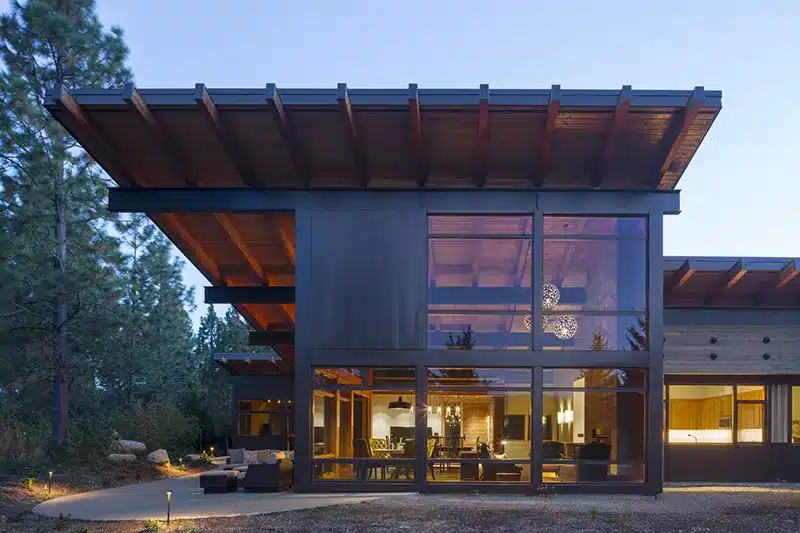
Energy-efficient design involves creating buildings and structures that minimize energy consumption and reduce carbon footprint.
This design aims to maximize the use of natural resources, minimize waste, and create a comfortable and healthy indoor environment for occupants.
Homes may significantly lower their carbon footprint and over time cut their energy costs by emphasizing energy efficiency throughout the design phase.
Additionally, these designs can contribute to improved indoor air quality, thermal comfort, and overall building performance.
Building Orientation
The orientation of a building can significantly impact its energy efficiency. For example, designing a building to face south can take advantage of natural light and heat from the sun, reducing the need for artificial lighting and additional heating.
The orientation of a building can also affect ventilation and shading, which can further impact a home’s energy consumption.
Insulation
Proper insulation is essential for a highly efficient building. It helps to maintain a comfortable indoor temperature and reduces the need for heating and cooling systems.
It’s important to choose high-quality insulation materials that are both effective and sustainable. Natural materials such as wool and hemp can provide excellent insulation. These materials are also eco-friendly and non-toxic.
Windows and Roofing
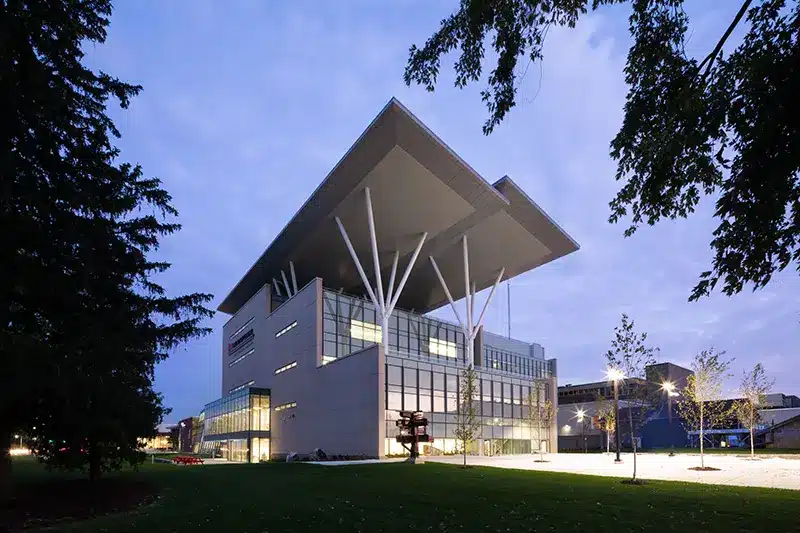
Windows are an essential factor in efficient building design. Choosing high-performance windows with low coatings and insulated frames can help to reduce heat loss and prevent solar heat gain, improving energy efficiency and indoor comfort.
You may reduce the carbon dioxide produced during the manufacture of windows by utilizing recycled plastic, wood, and bamboo for the window frames.
The type of roofing material used can also impact energy efficiency. Light-colored or reflective roofing materials can reduce the amount of heat absorbed by a building, while also extending the roofing system’s life.
Additionally, green roofs incorporating vegetation and soil can provide natural insulation and reduce heat absorption.
Renewable Energy Sources
Renewable energy sources produce additional energy on their own and may be utilized again without depletion.
Systems using renewable sources may make a house more resilient since they can keep producing electricity even when the grid is disrupted by blackouts or other events.
Renewable energy may replace our dependence on fossil fuels while limiting our collective effect on the planet’s natural resources if applied correctly.
However, implementing these sources on a large scale can be challenging due to initial costs, availability, and infrastructure.
Solar Panels
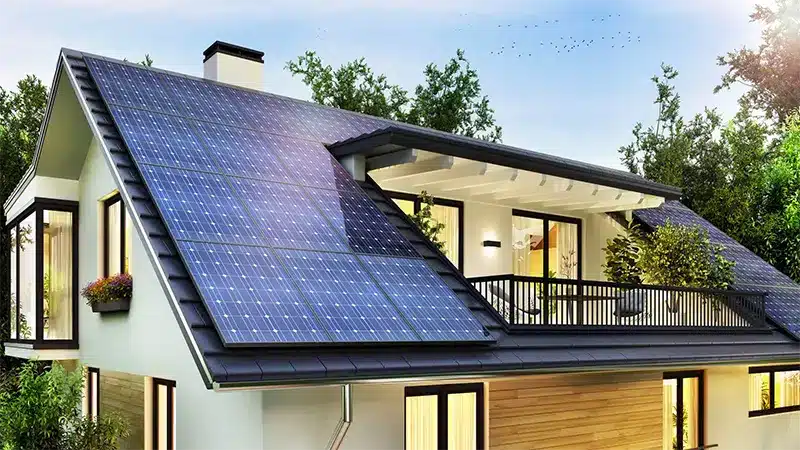
Solar panels are a renewable energy source that converts sunlight into renewable electricity.
Solar power may be utilized to run houses, companies, and even large towns. Solar panels are often mounted on roofs or in open areas.
Wind Turbines
Wind turbines are another renewable energy system that converts wind energy into electricity. Wind turbines typically are in open areas with consistent wind patterns, such as coastlines or mountaintops.
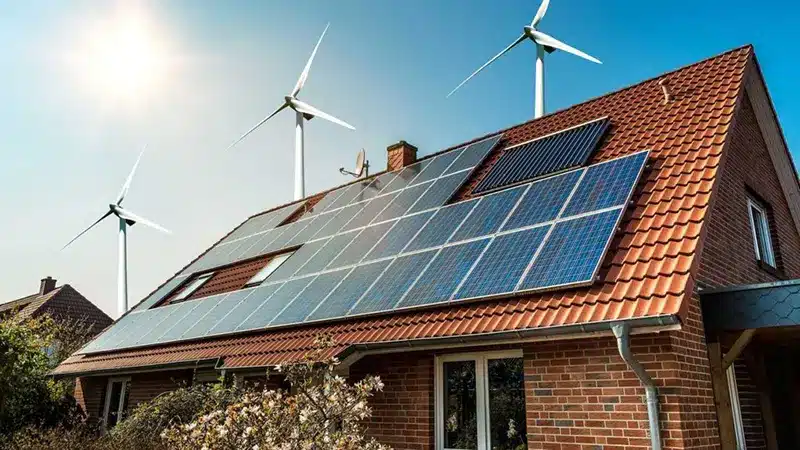
Wind turbines work best when there are steady winds of at least 10 miles per hour.
With proper planning and installation and site evaluation, wind turbines can be a great addition to zero-carbon homes, helping to reduce energy production and costs and minimize the home’s environmental impact.
Geothermal Heating
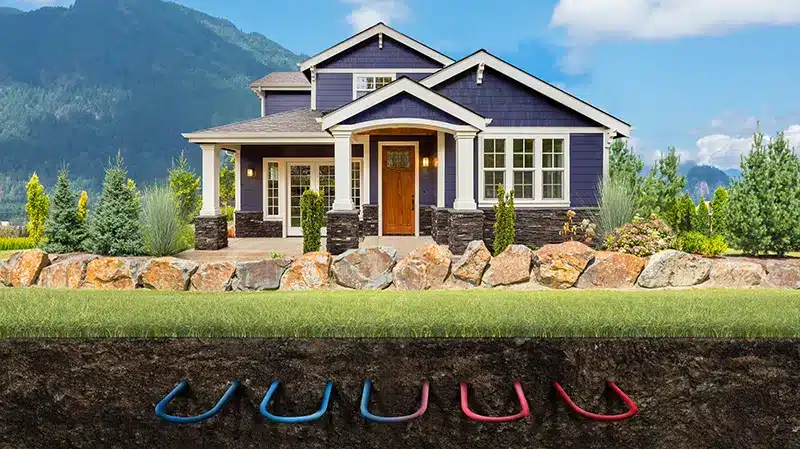
Buildings may be heated and cooled using geothermal heating and cooling systems. This renewable energy source may work better than traditional heating and cooling systems, and it is often employed in residences and business zero-carbon buildings.
Biomass
Biomass is a sustainable energy source derived from wood, crops, and animal waste.
By processes such as burning or gasification, biomass may be converted into energy and utilized to generate heat or electricity.
The practicality of using biomass as a fuel source depends on the location and method of collecting the biomass. Sustainable harvesting practices can reduce emissions associated with biomass production.
Smart Home Technology
Smart home technology is the use of internet-connected gadgets and sensors that can be controlled and automated by the homeowner.
This technology may assist homeowners in saving energy, making their houses safer, and making their lives more convenient and pleasant.
Smart home technology aims to make life simpler and more efficient. It also helps reduce energy use and makes homes safer. One can use smart home technology in new buildings or existing buildings or homes.
Smart Thermostats
You may remotely manage your heating and cooling systems with the help of smart thermostats. These are gadgets that you can connect to the internet.
They can learn a homeowner’s preferences and adjust the temperature accordingly, saving energy and reducing heating and cooling costs.
Smart Lighting and Appliances
Smart lighting allows homeowners to control their lighting remotely through a mobile app or voice command. You can use this technology to set schedules or dim lights, saving energy and enhancing convenience.

Smart appliances are internet-connected gadgets you can manage remotely. They can optimize energy use, monitor performance, and provide alerts when maintenance is needed.
Below is a table showing the approximate carbon impact per year associated with common types of household major appliances, separated into regular appliances and smart appliances:
| Appliance Type | Regular Appliance Carbon Emissions (kg CO2e/year) | Smart Appliance Carbon Emissions (kg CO2e/year) |
| Refrigerator | 850 | 300 |
| Dishwasher | 200 | 100 |
| Washing Machine | 400 | 150 |
| Dryer | 950 | 300 |
| Oven | 350 | 200 |
| Range Hood | 100 | 50 |
| Smart Thermostat | N/A | 50 |
| Smart Lighting | N/A | 30 |
| Smart TV | N/A | 100 |
Sustainable Materials
Sustainable materials are those that are good for the environment, come from responsible sources, and have a small effect when used.
Using sustainable materials in building projects is a good way to encourage sustainable building practices. They also help cut down carbon emissions.
Employing sustainable materials in construction projects is an effective method to promote green building practices and reduce carbon emissions.
Utilizing sustainable materials in building, production, and product design may help decrease waste, preserve resources, and lower a home’s or product’s carbon footprint.
Eco-friendly and Recycled Materials
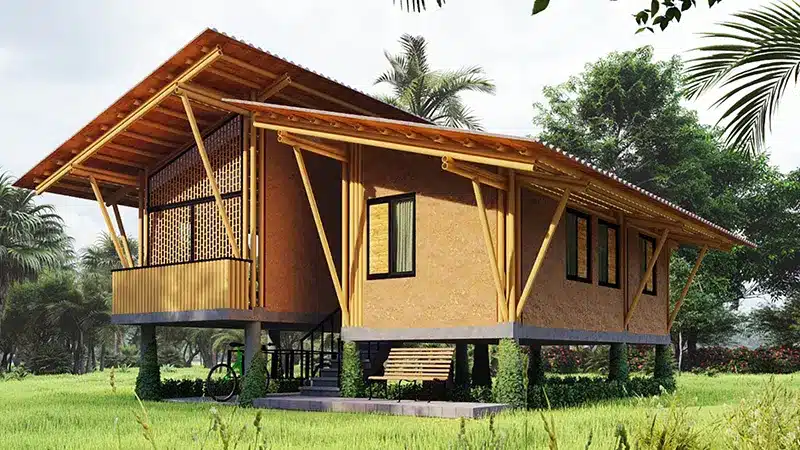
Eco-friendly materials are materials that are sourced and manufactured in an environmentally responsible way. These can include natural materials from sustainable forests such as bamboo, cork, or wood.
Moreover, eco-friendly materials include those that have been recycled or upcycled, such as recycled plastic or salvaged wood.
Recyclable materials include glass, aluminum, and steel. These materials can be recycled indefinitely without losing quality.
You can also make recyclable materials from renewable resources, such as bio-based plastics.
Below are other sustainable materials:
- Non-toxic materials: Examples of non-toxic materials include low-VOC paints, formaldehyde-free insulation, and natural fiber carpets.
- Renewable materials: Renewable sources like cotton, wood, bamboo, and cork can be replenished naturally or through human intervention.
- Biodegradable materials: These can break down naturally without causing harm to the environment, such as natural fibers like cotton or hemp.
- Low-impact materials: These materials only have a small effect on the environment when used and thrown away. For example, low-VOC paints reduce air pollution during and after their application.
- Salvaged or reclaimed materials: These have been repurposed from old buildings, furniture, or other items, reducing the need for producing new materials.
Water Conservation
Water conservation refers to using water more efficiently and reducing waste to preserve this precious resource.
You may conserve water resources, energy, and money on your water bill by using less water. It also contributes to ensuring that future generations have adequate water for their needs.
Low-flow Fixtures

Low-flow fixtures are water-saving devices that limit the same amount of water used for a particular task.
Low-flow showerheads, faucets, and toilets can significantly reduce water consumption without sacrificing performance or comfort.
Rainwater Harvesting
Rainwater harvesting is a way of collecting and storing rainwater for later use. You can do this through rain barrels or cisterns; the collected water is helpful for irrigation, flushing toilets, or washing clothes.
Greywater Recycling
Greywater recycling reuses wastewater from sinks, showers, and washing machines for non-potable uses such as irrigation or toilet flushing.
By recycling greywater, we can reduce the amount of freshwater needed for non-potable uses and lower water bills.
Sustainable Landscaping
Sustainable landscaping refers to designing and maintaining outdoor spaces in an environmentally responsible and resource-efficient manner.
It involves using sustainable practices that reduce waste, conserve water, and promote biodiversity.
The goal of sustainable landscaping is to make outdoor spaces both beautiful and useful. This practice also uses as little water, energy, and chemicals as possible.
Native Plants
Native plants are those that grow naturally in a certain location. They have adapted to the local climate and soil conditions.
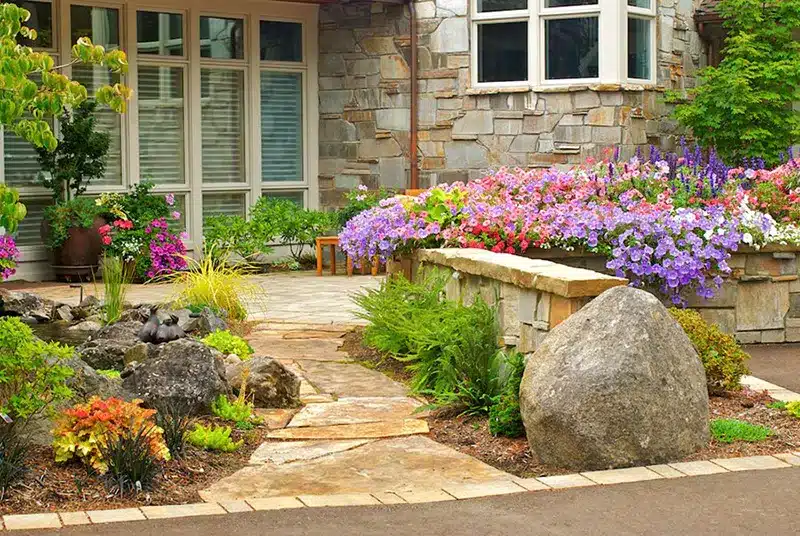
They are less difficult to maintain than non-native plants and provide habitat for wildlife. They may also enhance soil quality and reduce the demand for artificial fertilizers and pesticides.
Permeable Surfaces
Permeable surfaces allow water to seep through and be absorbed by the ground rather than running off into storm drains. Examples of porous surfaces include permeable pavers, gravel, and permeable concrete.
Using permeable surfaces can reduce runoff, conserve water, and improve groundwater quality.
Composting
Composting converts organic waste, such as food scraps and yard trimmings, into a nutritious soil amendment. Composting reduces the quantity of waste sent to landfills.
It also greatly improves the quality of the soil. You may compost at home with a compost bin or join a local composting program.
Daily Lifestyle
Achieving a net zero energy home requires a combination of efficient design, renewable energy systems, and changes to daily lifestyle.
Below are some important lifestyle changes that can help reduce your home’s carbon footprint:
- Reduce the amount of energy you use. You can do this by turning off lights and big appliances when they’re not in use and by not using energy in ways that aren’t necessary, like leaving electronics on standby mode.
- Use renewable energy. Installing solar panels, wind turbines, or other renewable energy systems can help make electricity without releasing greenhouse gases.
- Conserve water. Conserving water through low-flow toilets, showerheads, and faucets and fixing leaks can reduce water usage and the energy required to pump and treat water.
- Reduce waste. Zero-waste living, recycling, composting, and reducing packaging waste are all methods for and reducing trash and the carbon footprints that accompany it.
- Walk, walk, walk. Instead of driving alone, you may reduce transportation emissions by bicycling, walking, or using public transit.
- Plant trees. Trees are an excellent absorber of carbon dioxide emissions, so planting trees around the home or supporting reforestation projects can help to offset greenhouse gas emissions.
- Support sustainable products. Purchasing products that are made sustainably, with low-carbon footprints, and from companies that prioritize sustainability can help reduce the home’s overall carbon footprint.
These lifestyle changes make it possible to significantly reduce a home’s carbon footprint and move towards a net-zero energy home.

However, it’s important to remember that getting to zero carbon emissions might not be suitable for all homes and ways of living.
You may offset some carbon emissions through other means, such as carbon offset programs or investments in more renewable energy projects.
Conclusion
In conclusion, making a zero-carbon home is essential for protecting our planet and offers various benefits, including reduced electric bills and improved indoor air quality.
With the ways described above, we can significantly decrease our carbon footprint and create a more sustainable environment.
We must prioritize sustainability in our homes and take the necessary steps toward a greener future. Every action counts towards building a more sustainable and livable world for future generations.


